Welcome to the Python for Trading resources page. Here you will find all published articles, organized by category and in the recommended reading order. Each category covers a fundamental area of quantitative trading with Python.

We start with theoretical foundations: volatility, liquidity, stochastic processes and monetary policy. Then we move to backtesting with Zipline, followed by big data management with ArcticDB, and we close with tools and practices for the day-to-day work.

All articles include Python code, SVG diagrams, mathematical formulas and practical examples. This list is constantly updated as new articles are published.

Theoretical Foundations

Theoretical articles on volatility, liquidity, stochastic processes and monetary policy. The starting point for understanding markets from a quantitative perspective.

0
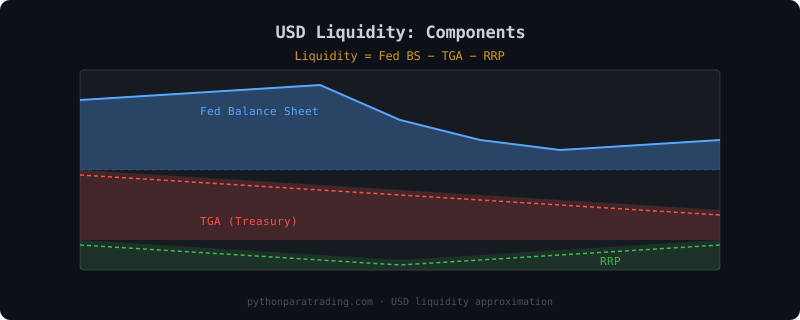
Introduction to Volatility - Liquidity

Introduction to Volatility - Liquidity

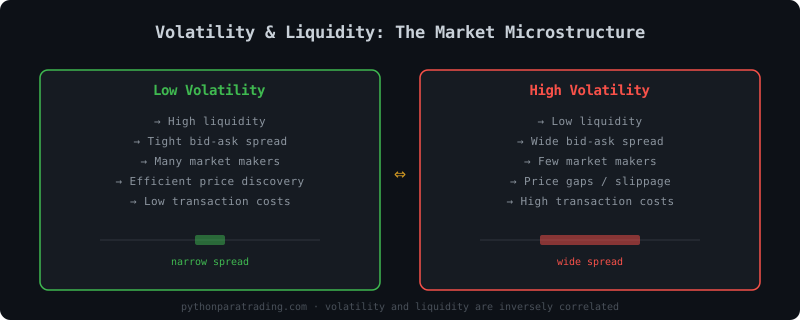
In this upcoming series of articles, we will delve into the concept of volatility. We will begin by studying its theoretical framework in detail, then explore its causes, effects, and consequences.

Liquidez Microestructura
1
Volatility Estimators for Trading

Volatility Estimators for Trading

In this article, we will explore the most widely used volatility estimators in trading. We will explain both their advantages and limitations, and provide any other relevant information.

Volatilidad
2
Uses of Volatility and Current Volatility - VIX1D

Uses of Volatility and Current Volatility - VIX1D

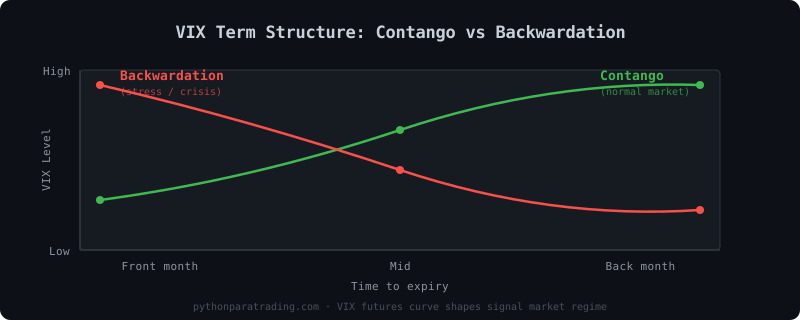
Although the general public tends to have a misconception about one of the most common uses of volatility, which is to assume its predictive effect on future volatility or asset price movements

Microestructura Volatilidad
3
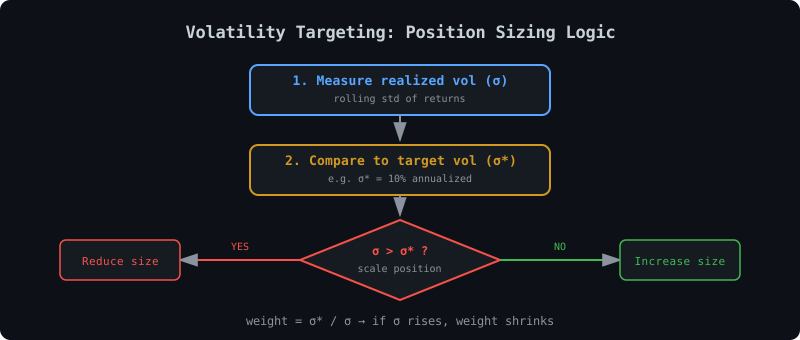
Volatility Targeting in Python

Volatility Targeting in Python

In this study, we aim to implement a Volatility Targeting technique in Python from scratch. To do this, we will use a simple but effective methodology.

Liquidez Volatilidad
4
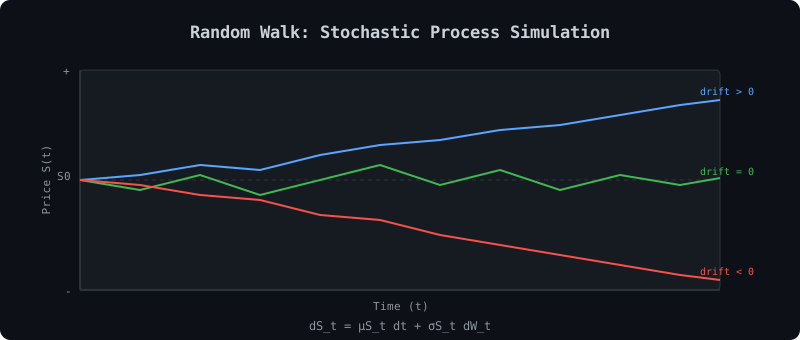
Stochastic Processes - Random Walks

Stochastic Processes - Random Walks

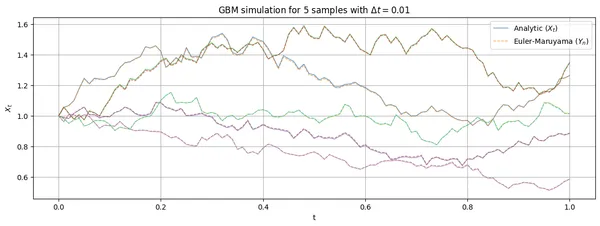
In probability theory, a stochastic process is a mathematical concept used to represent random quantities that vary with time or to characterize a sequence of random variables that evolve as a function of another variable, generally time.

6
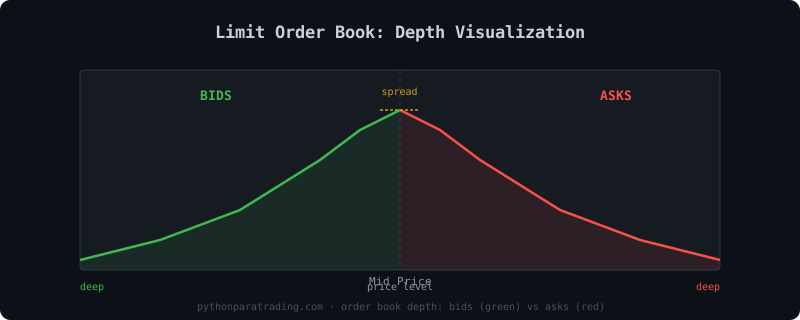
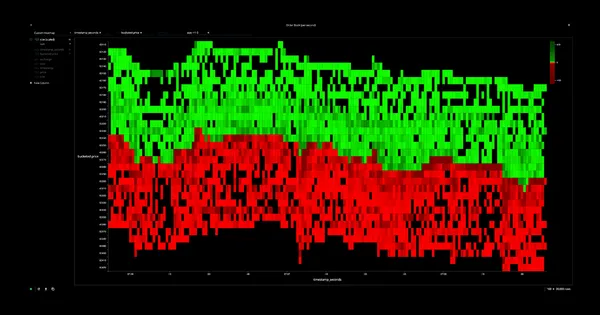
Limit Order Book - Aggregated Market Liquidity

Limit Order Book - Aggregated Market Liquidity

The market is a complex adaptive system in which many agents interact with the purpose of maximizing their different strategies. The sum of individual actions does not always correspond to the general behavior of the system.

Liquidez Order Book
7
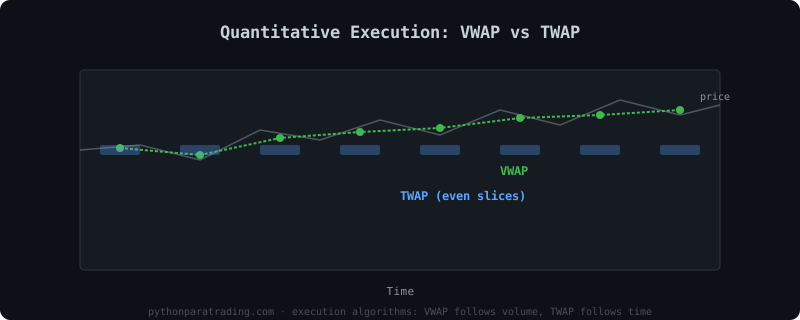
Quantitative Models and Algorithmic Execution

Quantitative Models and Algorithmic Execution

In this article we will discuss quantitative models in trading. We will explore different quantitative trading models and how they are executed through algorithms.

Algoritmos Modelos
8
Central Banks and Monetary Policy in Python

Central Banks and Monetary Policy in Python

In the complex field of economics and monetary policy, it is essential to have the ability to analyze and understand trends and the effects of economic policies. In this context, Python, a versatile programming language, has become indispensable for economists and financial analysts.

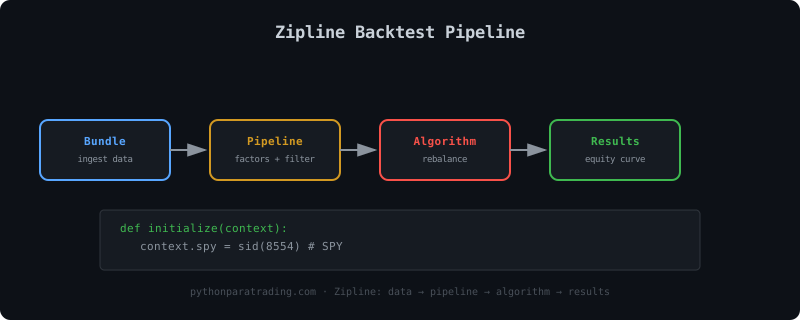
Backtesting with Zipline

Backtesting strategies with Zipline, the most emblematic Python engine for algorithmic trading, and creating your first backtests.

2
Alpha Factors and Alpha Trading in Python

Alpha Factors and Alpha Trading in Python

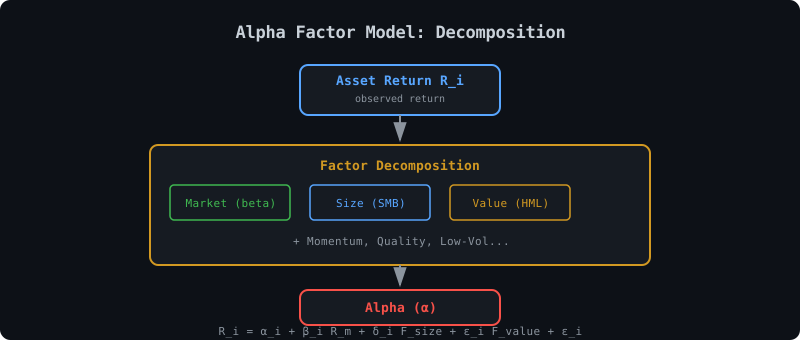
Alpha Trading is the way to model Alpha Factors in scenarios of exposure to profitability. These models are gaining popularity among investors of all levels thanks to greater technological accessibility.

Alpha Factor Market Neutral

Big Data with ArcticDB

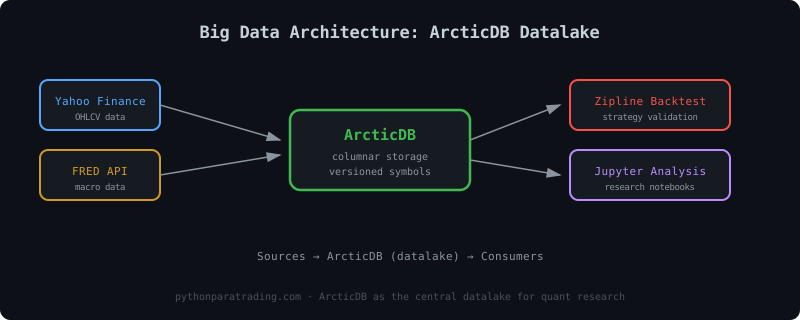
Big data management for trading with ArcticDB. From introduction to building a datalake on the Nasdaq and integrating it with Zipline.

3
Big Data Management 4 - Using the Datalake in Zipline

Big Data Management 4 - Using the Datalake in Zipline

In this article, we will create a solution to use any type of data within a zipline pipeline. We will create an algorithm that queries the datalake, performs the appropriate transformations, and subsequently ingests the data into zipline within the so-called bundle.

ArticDB Big Data

Tools and Practice

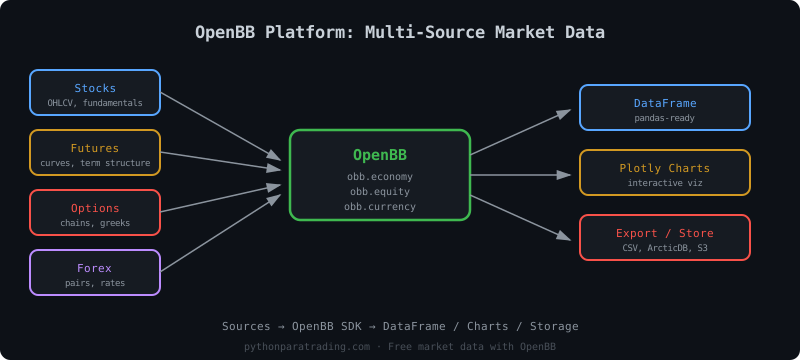
Docker, OpenBB, seasonality, quant research, reporting and more. Everything you need for the day-to-day work of a quantitative trader.

0
The Working Environment - 1

The Working Environment - 1

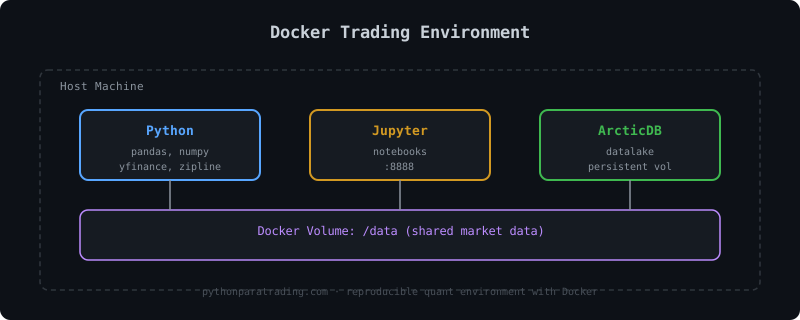
In this new article, we cover how to create a professional environment for algorithmic quant trading. To do so, we use a stack of technologies that make deployment easier, allowing us to focus on pure research rather than infrastructure.

Big Data
3
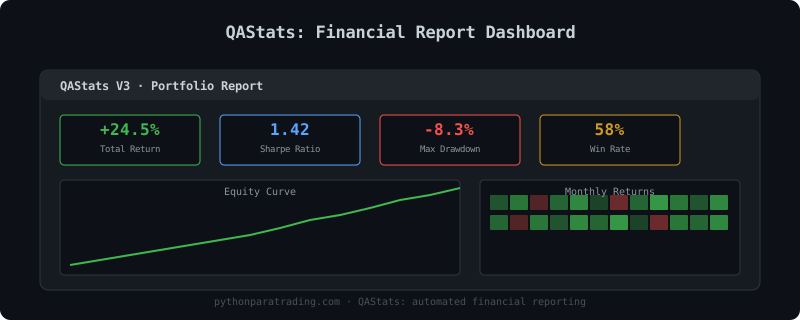
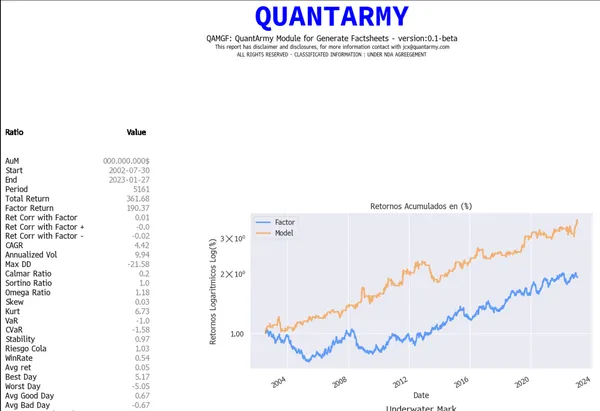
Advanced Financial Report Library in Python

Advanced Financial Report Library in Python

Over time, some codes can start to see the light of day publicly, and reviewing old repositories, I found a very primitive version of a reporting library that made our lives much easier at the time.

Quant Research
6
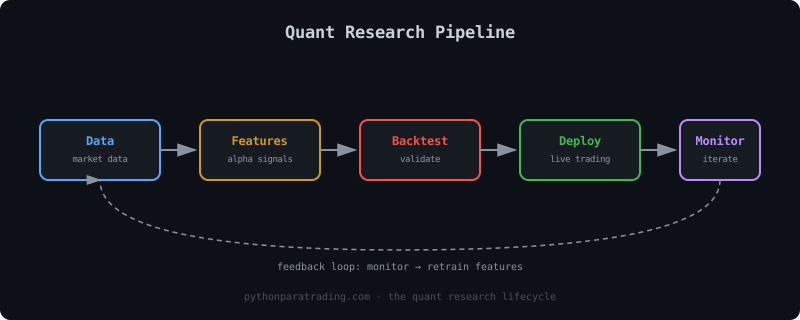
Introduction to Quant Research

Introduction to Quant Research

A quant strategy is a systematic strategy, driven by data and the model, which is programmed to generate investment decisions. The main pillar within quant research is the scientific method.

Research Quant
7
Seasonality in Python. Searching for Intraday Patterns

Seasonality in Python. Searching for Intraday Patterns

After a long period completely disconnected, we return to writing some notes for you. On this occasion, we are going to program from scratch a complete research process, and instead of going for a specific asset, we are going to create a complete method, reusable in the future, to be able to run it

Algoritmos seasonality
8
Seasonality in Python II - Backtesting

Seasonality in Python II - Backtesting

Discover how to identify intraday seasonal patterns in futures and validate trading strategies through backtesting. Learn to use Python to analyze historical data, optimize parameters, and evaluate the performance of your algorithms before applying them to the real market

Algoritmos Modelos
9
Seasonality in Python III - Statistics on Trading

Seasonality in Python III - Statistics on Trading

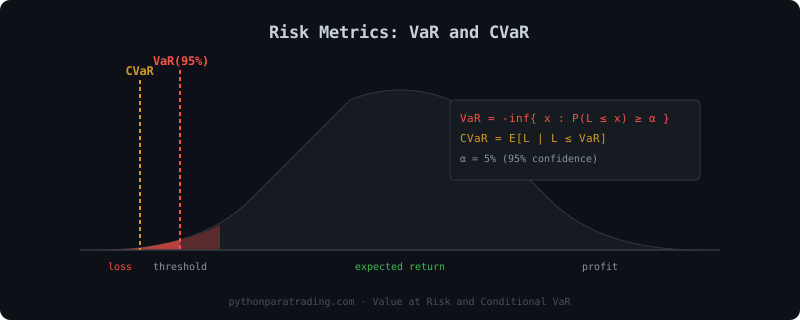
In this article, we analyze the Sharpe ratio, Value at Risk (VaR), Conditional Value at Risk (CVaR), the System Quality Number (SQN), and other relevant ratios to analyze the backtest.

Research Quant
10
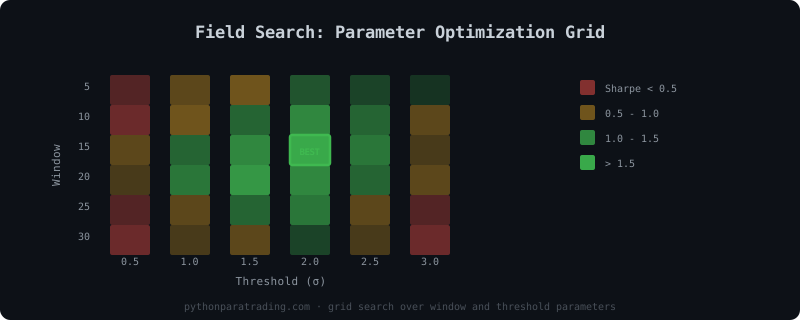
Intraday Seasonality IV - Field Search

Intraday Seasonality IV - Field Search

In this installment, we expand the backtester to use it as a broad-spectrum search engine to find seasonal edges. We run a backtest on all the necessary parameters to analyze the intraday seasonality of the asset

seasonality Research
11
QAStats V3 Released

QAStats V3 Released

We are excited to announce the release of QAStats V3, with new features and improvements for quantitative analysis.

Research Portfolio